Off-Season Algarve Itinerary: A Slower, More Authentic Escape
If you're visiting between October and April, this itinerary is designed for you. Fewer crowds, lower prices, dramatic Atlantic light, empty beaches, and a slower rhythm of life — this is the Algarve many locals secretly prefer.
This 5-day off-season Algarve itinerary is ideal for:
- Couples
- Digital nomads
- Slow travelers
- Retirees
- Repeat visitors
And most importantly — people who want to feel a place, not just photograph it.

Why Visit the Algarve in the Off-Season?
Before we plan your days, let’s talk about what makes this period special.
✔ Hotel prices drop significantly
✔ Restaurants are easier to book
✔ Parking is simple
✔ Beaches feel wild and untouched
✔ Temperatures remain mild (15–20°C most days)
You may not swim every day — but you’ll walk more, explore more, and experience more.
Overview of This 5-Day Off-Season Route
This route minimizes long drives and focuses on atmosphere:
- Days 1–2: Lagos & West Coast
- Day 3: Central Algarve (Benagil & Carvoeiro)
- Day 4: Faro & Ria Formosa
- Day 5: Tavira & Eastern Algarve
Renting a car is highly recommended in the off-season, as public transport schedules are reduced.
Day 1: Lagos — Cliffs, Coastal Walks & Golden Light

Start in Lagos, one of the most scenic towns in the region.
In the off-season, Lagos feels balanced — lively but never overwhelming.
Morning
Walk the cliffs at Ponta da Piedade.
The dramatic rock formations look even more powerful under winter skies.
Afternoon
Explore Lagos Old Town — cafés stay open year-round, and you’ll find space to linger.
Sunset
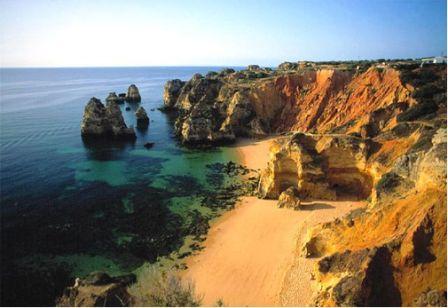
Visit Praia Dona Ana.
You may have the beach almost to yourself.
Why this works in off-season:
Walking is more enjoyable in cooler temperatures, and photography is exceptional thanks to softer light.
Stay overnight in Lagos.
Day 2: Sagres & the Wild West

Today is about raw Atlantic energy.
Drive west toward Sagres.
Stop 1: Sagres Fortress
Visit the historic Sagres Fortress. The wind, the cliffs, the ocean — it feels cinematic in winter.
Stop 2: Cape St. Vincent
End at Cape St. Vincent, mainland Europe’s southwesternmost point.
In the off-season, the atmosphere is almost spiritual.
Return to Lagos for your second night.
Day 3: Benagil & Central Algarve

Drive east toward the iconic Benagil Cave.
Boat tours operate year-round (weather permitting), but the off-season advantage is fewer boats and calmer surroundings.
Praia da Marinha
Visit Praia da Marinha, often ranked among Europe’s most beautiful beaches.
In winter, the cliffs glow under dramatic skies.
Carvoeiro & Algar Seco
Stop in Carvoeiro and explore the rock formations at Algar Seco.
Stay overnight near Faro or continue east.
Day 4: Faro & Ria Formosa — The Quiet Side

Spend the day in Faro, often overlooked in summer.
Explore the Old Town
The cobbled streets feel peaceful and authentic.
Discover Ria Formosa
Visit Ria Formosa, a protected lagoon system perfect for birdwatching in winter.
You can take a short ferry to Ilha Deserta, where wide empty beaches stretch endlessly.
Stay overnight in Faro or Tavira.
Day 5: Tavira — The Authentic Algarve
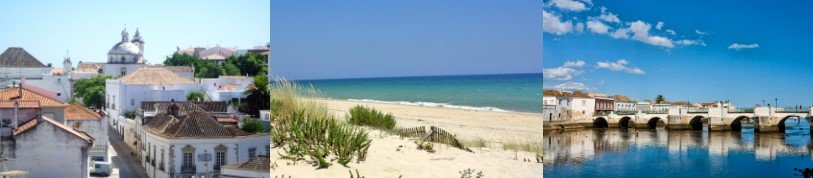
End your journey in Tavira, one of the most charming towns in the region.
Morning
Walk across the historic Roman Bridge of Tavira and explore the quiet streets.
Afternoon
Take a short ferry to Tavira Island. Even if it’s too cool to swim, the beach walks are unforgettable.
Eastern Algarve feels slower, more traditional, and less developed — especially outside summer.
Where to Stay in the Off-Season
Best bases:
- Lagos (west exploration)
- Faro (central & east access)
- Tavira (authentic experience)
Hotels often reduce prices by 30–50%.
What to Expect Weather-Wise
- October–November: warm days, possible sea swims
- December–February: mild, occasional rain
- March–April: spring bloom, excellent hiking
Pack:
- Light jacket
- Comfortable walking shoes
- Layered clothing
Who This Itinerary Is Perfect For
✔ Couples seeking quiet romance
✔ Digital nomads staying longer
✔ Photographers
✔ Nature lovers
✔ Travelers avoiding peak prices
If you’re looking for beach clubs and nightlife, summer is better.
If you want atmosphere, space, and authenticity — off-season wins.
Frequently Asked Questions About Visiting the Algarve in the Off-Season
Is the Algarve worth visiting in winter?
Is the Algarve worth visiting in winter?
Yes. The Algarve has mild temperatures, fewer tourists, lower hotel prices and dramatic coastal scenery during winter months.
Can you swim in the Algarve in the off-season?
Can you swim in the Algarve in the off-season?
Swimming is possible in October and sometimes November. From December to March, sea temperatures are colder but beach walks are still beautiful.
Is everything open in the Algarve during winter?
Is everything open in the Algarve during winter?
Most major towns like Lagos, Faro and Tavira stay active year-round. Some beach restaurants and seasonal businesses close temporarily.
Do I need a car in the Algarve in winter?
Do I need a car in the Algarve in winter?
Yes, renting a car is highly recommended because public transport schedules are reduced outside peak season.
What is the weather like in the Algarve from November to March?
What is the weather like in the Algarve from November to March?
Expect mild days between 15–20°C, occasional rain, and plenty of sunny intervals — ideal for walking and sightseeing.
Final Thought
The Algarve in the off-season isn’t about ticking boxes.
It’s about slowing down, feeling the wind on the cliffs, and discovering that this region has a personality far beyond summer tourism.
And sometimes, the best Algarve is the one most people overlook.
Return to Algarve Itineraries

Enjoy this Algarve Guide built to serve the purpose of helping you to know this beautiful region and plan your holidays to the best places
 ALGARVE
World's Leading Beach Destination 2025